

Mastering Full Stack Development: A Comprehensive Guide

Felipe Cantu
Introduction
In the ever-evolving world of technology, Full Stack Development has emerged as a highly sought-after skill set. Whether you're a seasoned developer looking to expand your knowledge or a newcomer eager to dive into the world of coding, understanding Full Stack Development is a valuable asset. In this blog, we'll explore the intricacies of Full Stack Development, its importance in today's tech landscape, and how you can embark on your journey to mastering it.
What is Full Stack Development?
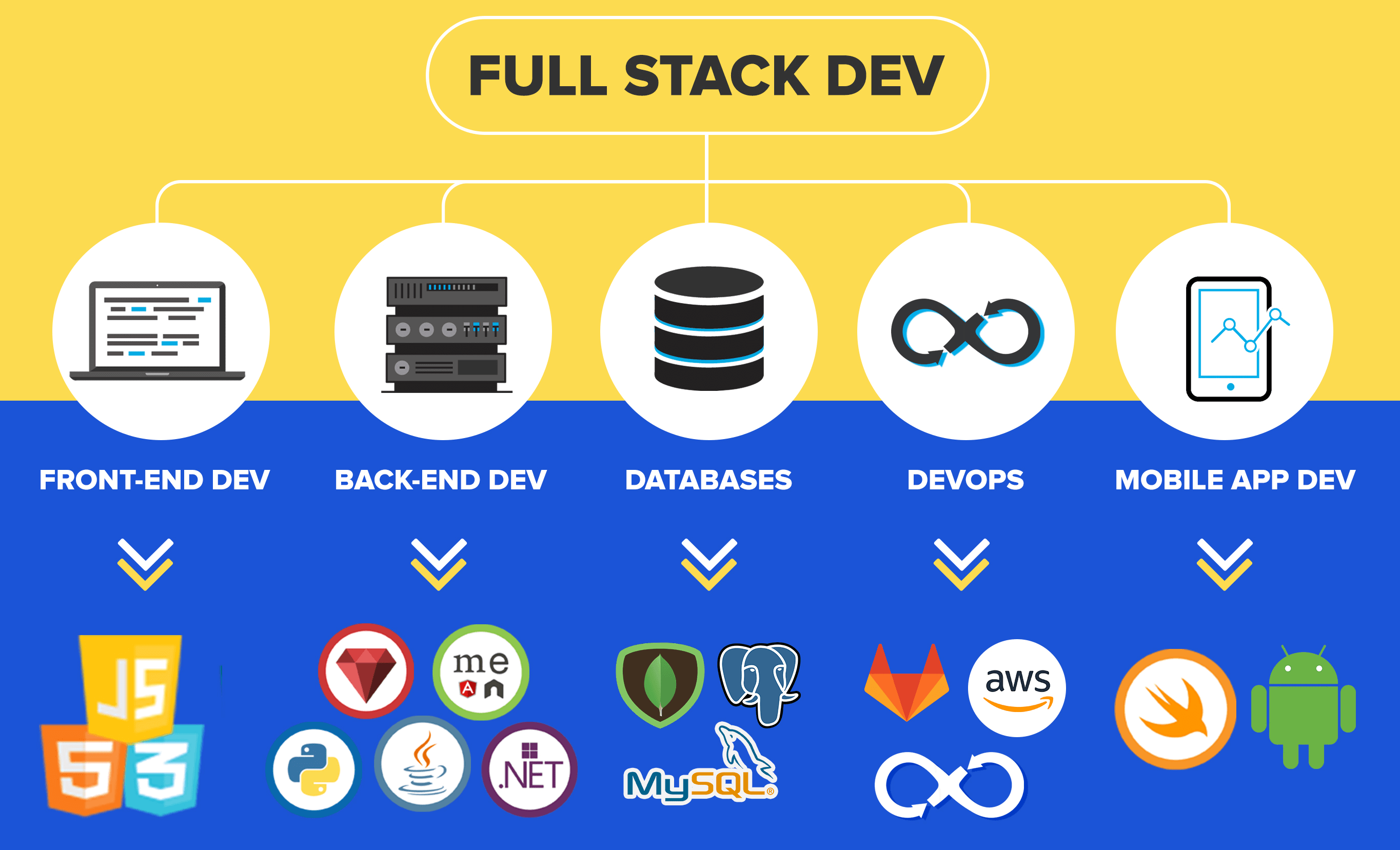
Full Stack Development refers to the practice of developing both the front-end (client-side) and back-end (server-side) components of a web application. A Full Stack Developer is proficient in various programming languages, databases, and frameworks, allowing them to work on all aspects of a project, from user interfaces to server infrastructure.
The Two Halves of Full Stack Development
- Front-End Development: This involves creating the user interface and experience of a web application. Front-end developers typically work with technologies such as HTML, CSS, and JavaScript to build responsive and visually appealing interfaces. Frameworks like React, Angular, or Vue.js are commonly used to streamline the development process.
- Back-End Development: The back-end is responsible for handling data, server-side logic, and communication with databases. Back-end developers often work with programming languages like Python, Ruby, Java, or Node.js. They design and build the server infrastructure, APIs, and manage data storage.
Why Full Stack Development Matters
- Versatility: Full Stack Developers are versatile and can work on the entire web application stack. This versatility makes them highly adaptable in a fast-paced tech industry.
- Cost-Effective: For startups and small businesses, hiring a Full Stack Developer who can handle both front-end and back-end tasks can be cost-effective compared to hiring separate specialists.
- Collaboration: Full Stack Developers can bridge the gap between front-end and back-end teams, facilitating better communication and collaboration in development projects.
- Career Opportunities: With a well-rounded skill set, Full Stack Developers have a wide range of career opportunities. They can work on personal projects, freelance, or join established companies.
How to Become a Full Stack Developer
Becoming a Full Stack Developer is a rewarding journey but requires dedication and continuous learning. Here's a roadmap to get you started:
- Master the Fundamentals: Begin with the basics of HTML, CSS, and JavaScript. These are the building blocks of web development.
- Learn Front-End Technologies: Dive into front-end frameworks and libraries like React, Angular, or Vue.js. Familiarize yourself with responsive design and user experience principles.
- Explore Back-End Development: Choose a programming language for back-end development and learn how to create server applications, handle databases, and build RESTful APIs.
- Database Management: Understand databases and how to work with them. Common choices include SQL (e.g., MySQL, PostgreSQL) and NoSQL databases (e.g., MongoDB).
- Version Control: Get comfortable with version control systems like Git, which are essential for collaboration and code management.
- DevOps and Deployment: Learn about DevOps practices and deployment tools. Knowing how to deploy and manage web applications is crucial.
- Continuous Learning: Stay updated with the latest trends and technologies in web development. Attend workshops, read books, and participate in online communities.
- Build Projects: Apply your knowledge by working on personal projects. Building real-world applications will enhance your skills and create a portfolio to showcase to potential employers or clients.
- Networking: Join developer communities, attend conferences, and connect with other Full Stack Developers. Networking can open doors to valuable opportunities.
- Job Search: Start applying for Full Stack Developer positions, freelance gigs, or internships. Tailor your resume and portfolio to highlight your skills and projects.
Conclusion
Full Stack Development is an exciting and dynamic field that offers endless opportunities for growth and innovation. By mastering both front-end and back-end technologies, you become a well-rounded developer capable of creating robust web applications. Remember that learning is an ongoing process, so stay curious, keep building, and embrace the challenges that come your way. With determination and perseverance, you can become a proficient Full Stack Developer and contribute to the ever-evolving world of technology.