

Crafting an Impressive Web Developer Portfolio: Your Gateway to Success

Felipe Cantu
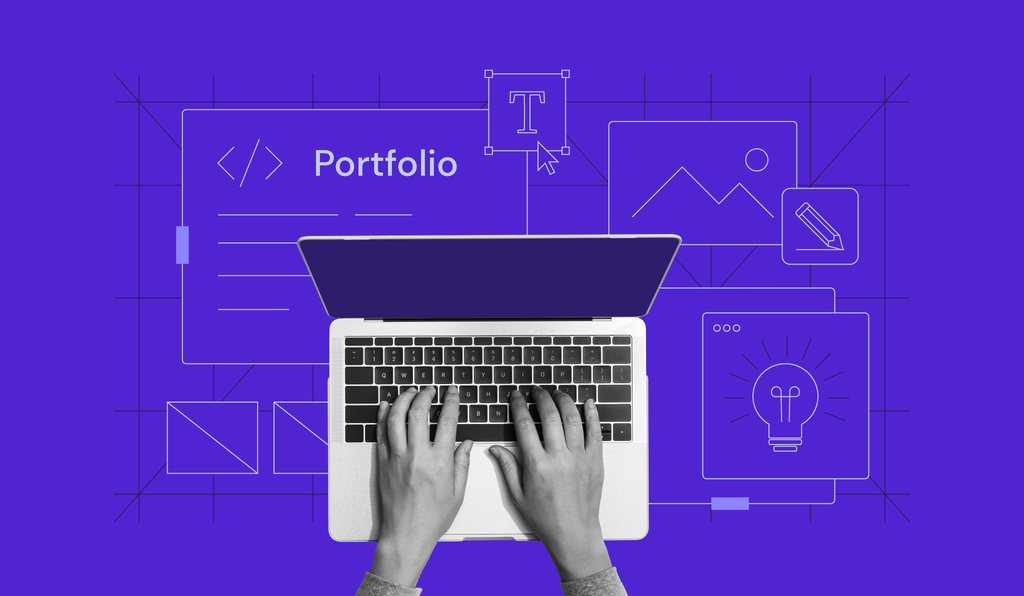
In today's fast-paced digital world, a well-crafted portfolio is your golden ticket to establishing a successful career as a web developer. Whether you're a seasoned coder or just starting your journey, a portfolio is your professional identity on the web, showcasing your skills, creativity, and expertise. In this comprehensive guide, we'll walk you through the essential steps to create a remarkable web developer portfolio that will set you apart from the competition.
1. Define Your Goals and Audience
Before you dive into designing your portfolio, take a moment to define your goals. Ask yourself:
- What type of web development work are you most passionate about?
- Are you aiming for freelance gigs, a full-time job, or both?
- Who is your target audience? Potential clients? Hiring managers? Other developers?
Understanding your objectives and audience will help shape the content and style of your portfolio.
2. Choose the Right Domain Name
Selecting an appropriate domain name is crucial. Ideally, it should be your full name or a variation thereof (e.g., FirstNameLastName.dev). This not only makes you more discoverable but also conveys professionalism. Purchase a domain from a reputable registrar and ensure it's easy to remember and spell.
3. Showcase Your Best Work
Your portfolio is a showcase of your skills and accomplishments. Include your most impressive projects, whether personal or professional. Each project should have its dedicated page featuring:
- A project description: Explain its purpose, technologies used, and your role.
- Screenshots or demos: Visuals speak volumes. Provide screenshots, live demos, or links to GitHub repositories.
- Project highlights: Mention unique features or challenges you overcame.
The goal is to demonstrate your versatility and problem-solving abilities.
4. Write a Captivating About Me Section
The "About Me" section is your chance to connect with your audience on a personal level. Share your journey, passion for coding, and your unique approach to web development. Include a professional photo to add a personal touch.
5. Highlight Your Skills
Create a dedicated section listing your technical skills. Include languages, frameworks, and tools you're proficient in. You can categorize them as front-end, back-end, or full-stack skills. Don't forget to update this section as your skills evolve.
6. Optimize for Mobile and Accessibility
In today's mobile-first world, your portfolio must be responsive and accessible. Use responsive design principles to ensure it looks great on all devices. Moreover, adhere to accessibility standards (e.g., WCAG) to make your portfolio usable for all users, including those with disabilities.
7. Design Matters
Your portfolio's design should be clean, modern, and visually appealing. A well-designed portfolio demonstrates your attention to detail. If you're not a designer, consider using website builders or templates tailored for portfolios.
8. Blog or Write Tutorials
Adding a blog or tutorials section can help establish your expertise. Share your insights, write about web development trends, or create tutorials on coding challenges you've solved. This not only showcases your knowledge but also helps with SEO and attracting organic traffic.
9. Include Testimonials and Recommendations
If you've received positive feedback from clients, colleagues, or mentors, include these testimonials on your portfolio. They add credibility and build trust with potential employers or clients.
10. Contact Information and Call to Action
Make it easy for visitors to get in touch with you. Include a dedicated "Contact Me" page with a contact form or provide your email and social media profiles. Encourage visitors to reach out and discuss potential opportunities.
11. Regularly Update Your Portfolio
A stagnant portfolio can send the wrong message. Regularly update it with new projects, skills, and experiences. Consider creating a "What I'm Currently Learning" section to showcase your commitment to growth.
12. Test and Optimize for Speed
Optimize your portfolio for speed and performance. A slow-loading website can deter visitors. Compress images, minify code, and utilize content delivery networks (CDNs) to ensure fast loading times.
13. SEO Optimization
Implement basic SEO practices to improve your portfolio's visibility on search engines. Use relevant keywords, meta tags, and alt attributes for images to increase your chances of being discovered online.
14. Seek Feedback
Before launching your portfolio, ask for feedback from peers, mentors, or friends. Constructive criticism can help you identify areas for improvement and fine-tune your content and design.
15. Launch and Promote
Once your portfolio is ready, launch it! Share it across your social media profiles, in online communities, and with your network. Actively promote it to gain visibility.
Conclusion
Your web developer portfolio is your digital fingerprint in the world of web development. It's a reflection of your skills, creativity, and professionalism. By following these steps and continuously updating and refining your portfolio, you'll create a powerful tool that opens doors to exciting opportunities in the web development field. Remember, your portfolio is not just a static page; it's a dynamic representation of your growth and expertise as a web developer.